Coille Alba Scotland's native woodlands, rooted in science

Coille Alba

Scotland's native woodlands, rooted in science

Latest Articles

Silence and Signal: Reading Scotland's Native Woods by Ear
Conservation

Silence and Signal: Reading Scotland's Native Woods by Ear

Acoustic monitoring is changing how ecologists assess woodland health, but a dawn chorus is not a simple scorecard. In Scotland's native woods, listening well means learning both what sound reveals and what it conceals.
When the Wood Sets Its Harvest: Seed Cycles in Scotland's Native Woods
Nature & Identification

When the Wood Sets Its Harvest: Seed Cycles in Scotland's Native Woods

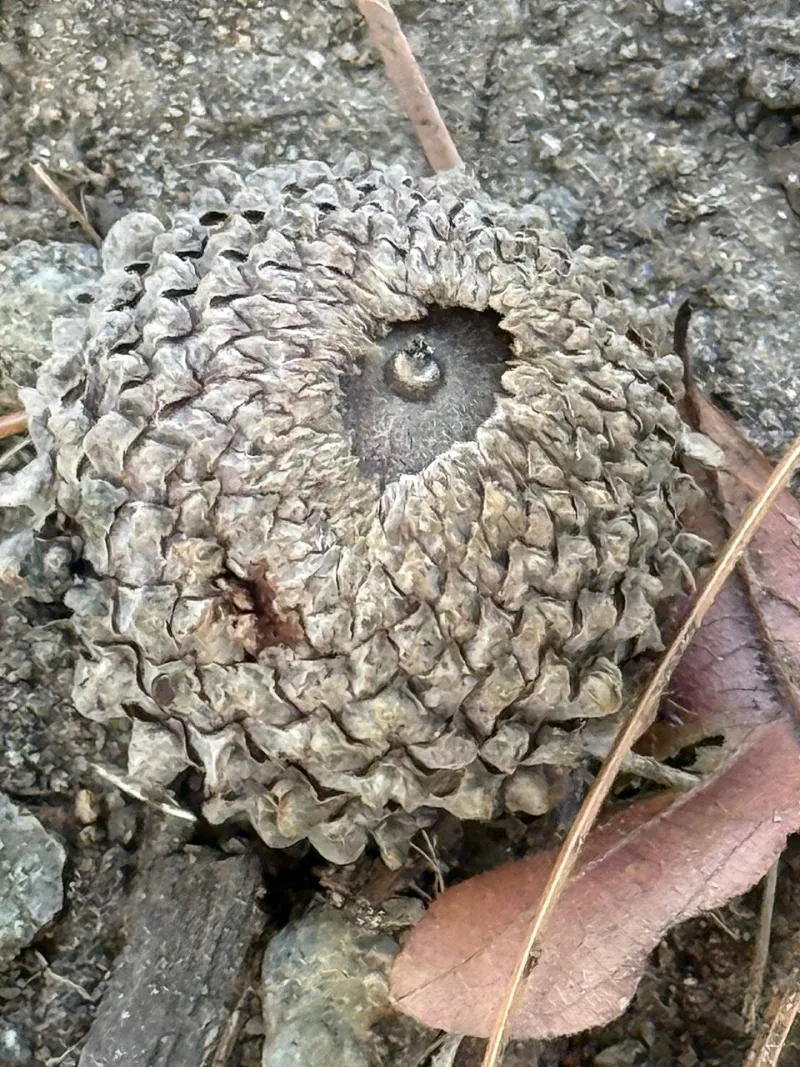
Seed crops in Scotland's native woods do not arrive evenly. Oak, hazel and birch swing between lean years and heavy ones, and those swings shape the fortunes of jays, red squirrels, mice and the next generation of trees. This autumn offers a useful chance to read the pattern closely.

The Living Seam: How Scotland's Woodland Edges Shape the Forest Within
Conservation

The Living Seam: How Scotland's Woodland Edges Shape the Forest Within

A wood does not stop at the fence line. In the first few metres between open ground and closed canopy, light, wind and browsing pressure shift sharply, shaping what can grow and how native woodland expands. This field guide explains edge effects in plain terms and shows how to read the seam on a Scottish walk.

The Unlit Hours: Reading Scotland's Woodland Night Shift
Conservation

The Unlit Hours: Reading Scotland's Woodland Night Shift

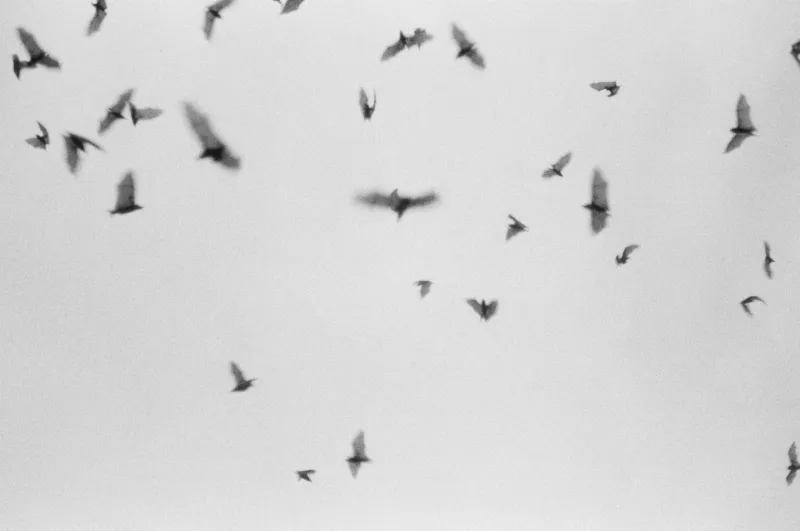
Darkness is not an absence in Scotland's native woods but a working habitat. From bat detectors on woodland edges to moth traps and the damp invertebrate economy beneath the canopy, the night shift reveals how much of a wood's life depends on unlit hours.

After the Gale: What a Storm-Battered Wood Needs, and What It Does Not
Woodland Management

After the Gale: What a Storm-Battered Wood Needs, and What It Does Not

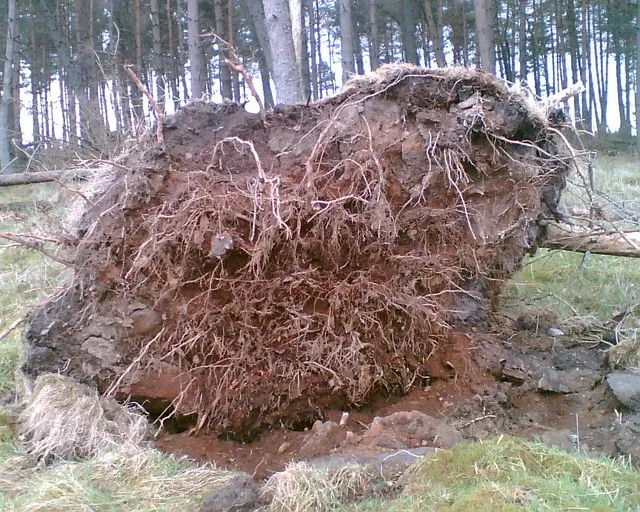
A winter storm can undo twenty years of management in an afternoon, and the instinct to tidy up afterwards is almost always wrong. This is a measured guide to assessing windblown native woodland, working within the rules, and leaving the right kind of mess behind.

Older Than the Map: Six Plants That Test a Wood's Continuity
Nature & Identification

Older Than the Map: Six Plants That Test a Wood's Continuity

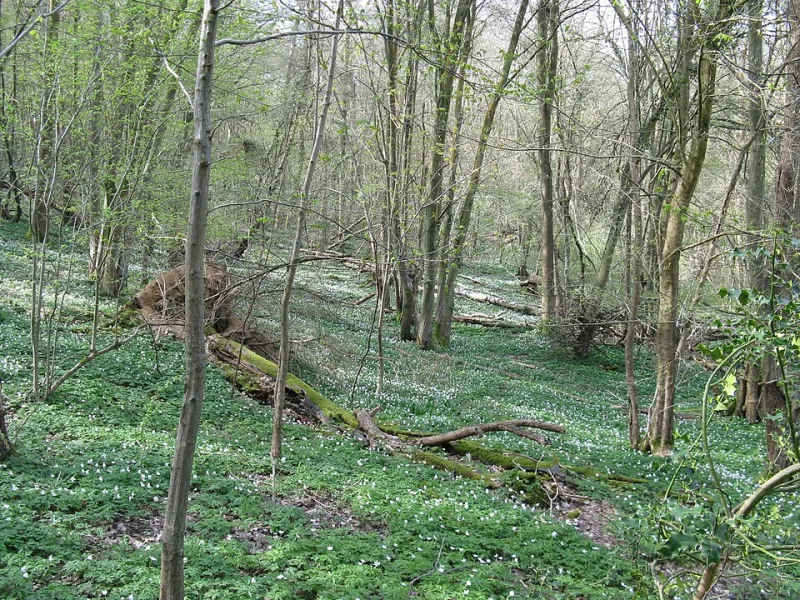
Trees can be felled and replanted within a generation, but the ground flora of a Scottish wood holds a longer memory. Here is a field guide to six plants that hint at continuity — and a careful account of what their presence, and their absence, can and cannot prove.

The Browsing Line: Deer, Density and the Future of Scotland's Native Woods
Conservation

The Browsing Line: Deer, Density and the Future of Scotland's Native Woods

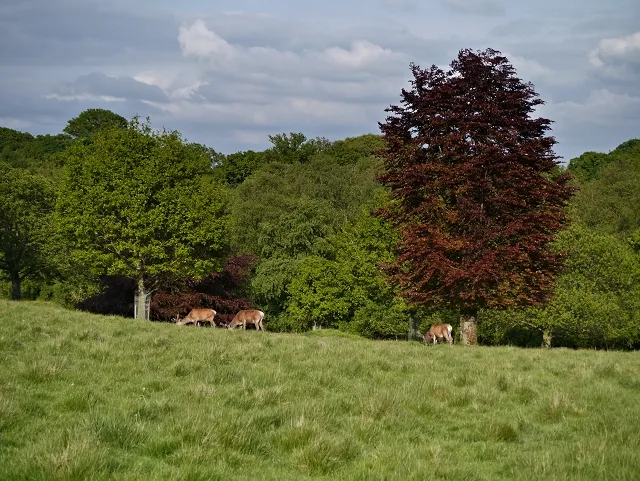
Deer browsing is one of the quietest forces shaping Scotland's native woods, influencing seedling survival, shrub cover and canopy structure. This balanced assessment examines fenced and unfenced regeneration, the science of deer density, and the trade-offs between fencing, culling and natural processes.

After the Photograph: A Three-Winter Audit for Scotland's New Native Woods
Woodland Management

After the Photograph: A Three-Winter Audit for Scotland's New Native Woods

Planting day is the photograph; the first three winters are the test. As the 2026 planting season gets underway, this practical audit looks beyond sapling counts to site preparation, provenance, herbivore pressure, weed control and aftercare, arguing that long-term monitoring matters more than a single successful planting event.

Moving Trees North: The Uneasy Case for Assisted Migration in Scotland
Conservation

Moving Trees North: The Uneasy Case for Assisted Migration in Scotland

Assisted migration promises to help Scotland’s native trees keep pace with a warming climate, but it also risks unsettling the genetic and ecological fabric of ancient woods. This measured appraisal weighs provenance trials, woodland fragmentation and the precautionary case for restraint.

What the Bark Is Telling Us: A Field Guide to Lichens in Scottish Woods
Nature & Identification

What the Bark Is Telling Us: A Field Guide to Lichens in Scottish Woods

Lichens are quiet recorders of the air around them, turning bark into a visible register of pollution and woodland condition. This beginner’s guide explains how to read the common growth forms, recognise the species that favour clean air, and contribute useful records from a Scottish wood.

Field Notes from a Living Wood: Seven Clues to Woodland Health
Nature & Identification

Field Notes from a Living Wood: Seven Clues to Woodland Health

Counting trees is a start, but it is a poor measure of a woodland's health. These seven field clues help walkers and volunteers read a Scottish wood more like an ecologist, while recognising the limits of what any single sign can tell us.

What Lies Beneath the Pines: A Measured Look at Woodland Fungal Networks
Conservation

What Lies Beneath the Pines: A Measured Look at Woodland Fungal Networks

The idea of a forest internet is memorable, but Scotland's mycorrhizal fungi deserve a more careful story. This piece separates genuine wonder from overclaim, and explains why soil, roots and deadwood matter for conservation and outdoor learning.

The Case for a Wilder Mess: Rethinking Order in Scotland's Native Woodlands
Conservation

The Case for a Wilder Mess: Rethinking Order in Scotland's Native Woodlands

Scotland's native woodlands are often judged by how tidy they look, but ecological health depends on deadwood, scrub and uneven edges. This opinion-led analysis argues that a less manicured approach can support insects, birds and fungi without sacrificing access or safety.

Five Quiet Giants of the Winter Wood: Native Trees to Recognise on a Scottish Walk
Nature & Identification

Five Quiet Giants of the Winter Wood: Native Trees to Recognise on a Scottish Walk

Winter strips back the canopy and reveals the structure of Scotland's native woodlands. This practical guide profiles Scots pine, rowan, birch, hazel and aspen, with identification tips for bark, buds and silhouette.