The Quiet Infrastructure of Rot: Deadwood in Scotland’s Native Woods
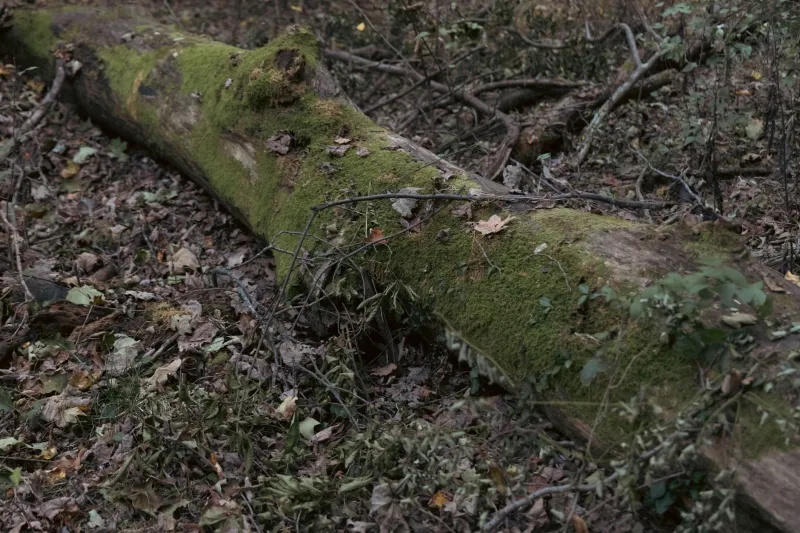
In a managed landscape, a fallen log can look like a failure of order. It lies across a path, sheds bark onto the grass and slowly subsides into the soil. For generations, woodland management in Scotland was partly a discipline of removal: take out the dangerous tree, tidy the windblown stem, gather the loose wood. Those instincts are understandable, but they have left many native woods poorer than they should be. Deadwood is not the opposite of a healthy wood. It is one of the processes by which a healthy wood sustains itself.
The instinct to tidy
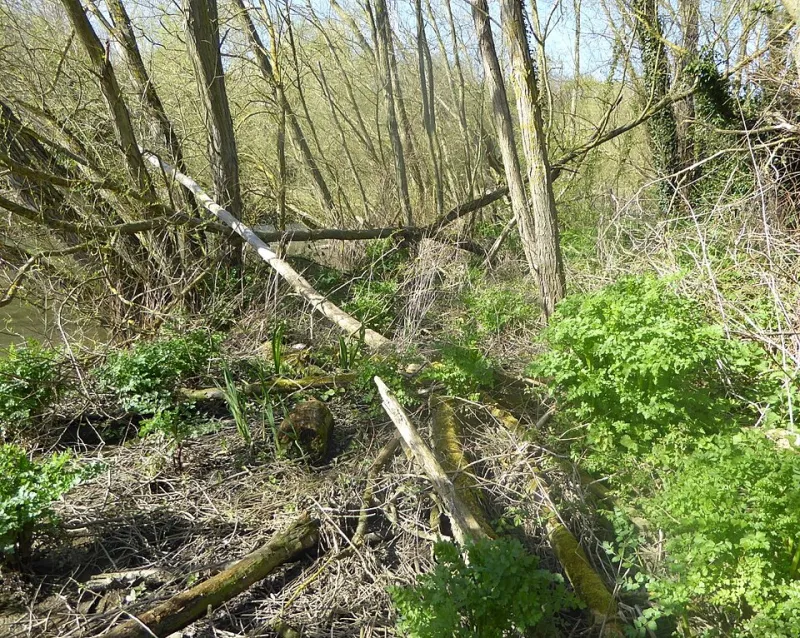
Scottish native woodlands have a long history of intensive use. Timber, fuel, grazing and clearance have all shaped them, and the result is that many woods hold only a fraction of the deadwood found in near-natural forests. Old trees, standing dead stems and large fallen logs are especially scarce. Yet these are precisely the structures that take the longest to replace. A young wood can be created in a generation; a large, slowly decaying log is the product of decades of growth and years of rot.
The tidy impulse is not simply aesthetic. Public safety, access, disease management and the desire for neat boundaries all have a place. But tidiness is a poor guide to ecological value. A wood that has been swept clean may look cared for while offering little to the species that depend on decay. The conservation question is not whether deadwood should be present, but how much, where, and in what condition.
A habitat with a vertical dimension
Deadwood is not a single material. A standing snag, a fallen log, a rotting stump and a scatter of fine branches are different habitats, and they change as they decay. Standing dead trees are exposed to sun and wind; their surfaces can be warm and dry, and their crevices offer shelter to insects and roosting bats. Fallen logs lie close to the ground, where moisture is more stable and mosses, liverworts and fungi can cover them. Stumps and root plates hold soil, retain water and provide sheltered pockets at the woodland floor.
Saproxylic species — those that depend on dead or dying wood — include beetles, flies, fungi and lichens. Some are generalists; others need particular conditions, such as large-diameter logs, open-grown woodlands, or deadwood that has been allowed to rot for many years. In Scotland’s native woods, the most valuable deadwood is often the least convenient: a big, moss-covered trunk that cannot easily be moved, or a standing dead birch in a wet hollow. These structures are not waste. They are the architecture of a functioning wood.
The unseen economy of rot
Decay is often described as breakdown, but it is also a form of distribution. Fungi and invertebrates begin the work of converting wood back into soil, releasing nutrients slowly into the woodland floor. The process supports the soil’s structure and water-holding capacity, and it feeds the wider food web. A rotting log is a slow-release reserve of carbon and minerals, and a nursery for seedlings that find moisture and nutrients in its softened surface.
The result is not chaos but a different kind of order. Deadwood creates microhabitats, retains moisture and moderates the woodland floor. In a wet Scottish climate, the fire risk sometimes associated with deadwood is generally lower than in drier regions, though local conditions and public safety still require judgement. The ecological case is strongest where deadwood is retained in shade, in contact with the ground, and in a range of sizes and decay stages.
Reading deadwood in the field
Walkers can learn a great deal from a log without identifying a single species. Look for fungal fruiting bodies along the underside, exit holes from beetles, and the channels left by wood-boring larvae. Notice whether moss has covered the upper surface, whether seedlings have rooted in the decay, and whether birds have opened the wood in search of insects. A log in its early decay is not the same habitat as a soft, fragmented stump; both have value, but they are not interchangeable.
The most useful field question is not ‘is this deadwood?’ but ‘is there a range of deadwood?’ A wood with only fine branches and no large logs is missing part of the picture. A wood with a few standing dead stems, some fallen trunks and a scatter of rotting stumps is more likely to support the full community of decay-dependent species. That range is what conservationists mean when they talk about the deadwood continuum.
Guidance for landowners and walkers
For landowners, the practical message is to retain deadwood where it can be done safely. Standing dead trees should be assessed near paths, car parks and boundaries, and removed only where there is a genuine risk. Fallen logs can often be left in place or moved a short distance to a less visited part of the wood. Where trees are felled, some arisings can be kept on site as habitat piles rather than removed. Large logs are especially valuable and should not be tidied away simply because they are inconvenient.
Walkers have a role too. A log is not a climbing frame or a source of firewood; it is a habitat. Leave fallen wood where it lies, keep to paths where access is sensitive, and report genuine hazards rather than dismantling them. Moving deadwood between woods can spread pathogens and should be avoided. The aim is not to make every wood look wild, but to allow natural processes to do some of the work.
Rot as a sign of vitality
A woodland that is allowed to keep some of its deadwood is not being abandoned. It is being managed with a longer view. The richest habitat in a Scottish wood may sometimes be the one that looks least tidy: the mossy trunk, the standing snag, the soft stump in the shade. At Coille Alba, we see these structures not as residue but as part of the wood’s living economy. Rot is not ruin. It is one of the quiet processes that makes a native wood a wood.