The Living Seam: How Scotland's Woodland Edges Shape the Forest Within

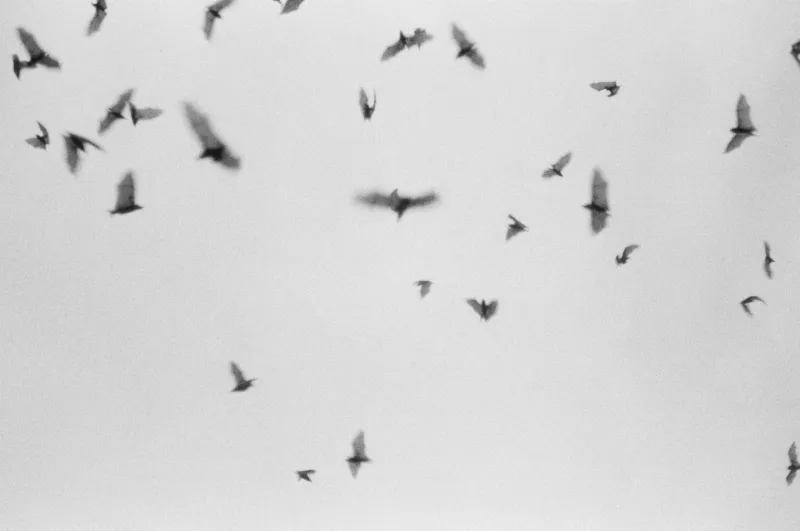
Photo by Photo by Anna Saveleva on Unsplash on Unsplash
A wood does not end at the fence. Stand with your back to open hill and face the trees, and the change is not instantaneous. There is a zone, often only a few paces wide and sometimes much broader, where the forest is neither fully itself nor fully absent. Ecologists call it the ecotone; walkers know it as the place where the wind drops, the ground softens and the first foxgloves or wood anemones appear. In Scotland, where many native woods have been reduced to fragments and their boundaries hardened by grazing, muirburn and plantation fences, that seam deserves closer attention.
A gradient, not a line
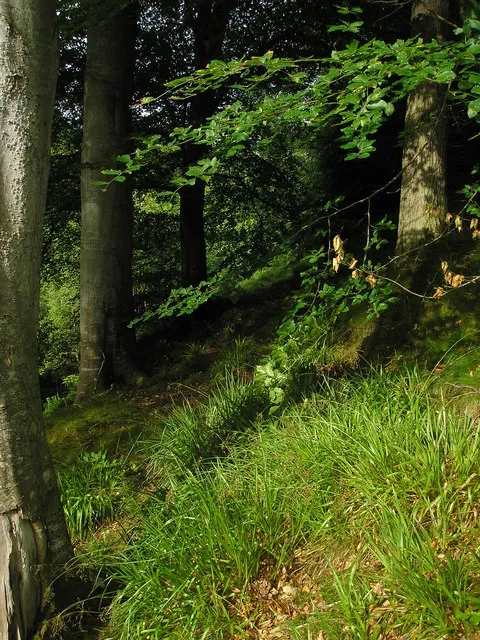
A woodland boundary looks like a line on a map. On the ground it is a gradient. Light falls away from full sun to deep shade; wind speed changes; temperature and humidity shift; soil moisture and leaf litter accumulate. The first ten metres are where those gradients are steepest. An edge tree is exposed to wind on one side and sheltered on the other, so it grows a different shape from a tree in the core. Ground flora changes from open-ground species to woodland plants. Even the air smells different.
These changes are not merely cosmetic. They determine which plants can establish, which invertebrates can shelter, which birds can nest and which seedlings can survive. An abrupt edge beside heavily grazed pasture is a very different habitat from a soft, scrubby margin that grades into heath or unimproved grassland.
What changes in the first ten metres
Light is the obvious driver. At the boundary, side light reaches the woodland floor, allowing shade-intolerant plants to persist. That is why bramble, willowherb, foxglove and young birch often cluster at the edge. Further in, light levels fall and the flora shifts towards shade-tolerant species such as wood sorrel, dog's mercury and ferns. In Scottish pinewoods, the transition may be marked by heather, blaeberry and Scots pine regeneration; in western oakwoods, by hazel, honeysuckle and mossy rocks.
Wind is less visible but equally important. Edge trees bear the brunt of gales and often develop flagged crowns or leaning trunks. On the coast, salt-laden wind can prune and distort growth. Wind also drives evaporation, so the edge can be drier than the interior, and it can topple exposed trees. The resulting deadwood and canopy gaps are part of the edge's character.
Temperature and humidity vary sharply too. Open ground heats and cools faster than woodland. On still, clear nights, cold air can pool at the boundary, creating frost pockets that damage young growth. In summer, the edge may be hotter by day and drier by night than either the field or the forest core.
The browse at the boundary
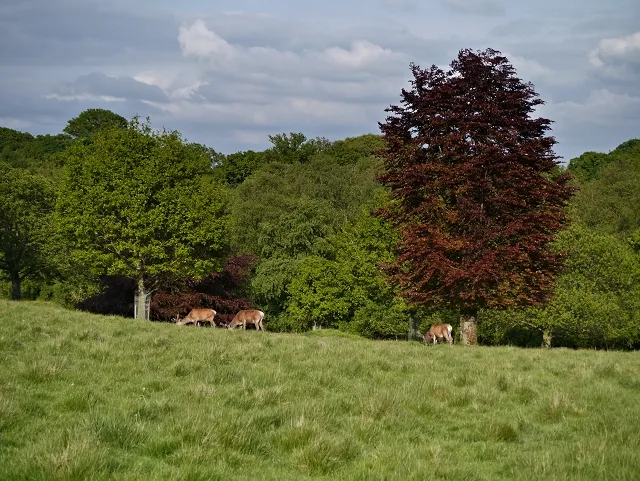
Deer and other herbivores use edges. The margin offers cover, browse and a route between open ground and woodland. That can concentrate grazing pressure exactly where young trees are trying to establish. A hard edge beside open moorland may show a pronounced browse line, with palatable shoots clipped to a consistent height and little regeneration surviving above it. Rowan, hazel, oak and birch are all vulnerable; thorny species such as hawthorn may persist where others are eaten back.
For anyone assessing a wood's condition, the boundary is therefore a diagnostic zone. It shows whether grazing is compatible with expansion, whether fences are forcing an unnatural edge, and whether natural regeneration is being recruited from the wood into the open. It also reveals where a wood is being squeezed: heavy browsing on the inside, heavy grazing on the outside, and little room for the transition to move.
Why edges matter for native woodland expansion
Scotland's native woods are often small and isolated. Expanding them is not simply a matter of planting more trees. A woodland that grows by a hard-edged rectangle may gain area but not ecological function. A wood that expands through scrub, pioneer birch and a graded canopy creates habitat at the same time. The edge becomes a nursery rather than a wall.
This matters for biodiversity. Many species depend on the transition between open and closed habitats: invertebrates that need sunlit flowers and sheltered overwintering sites, birds that forage in open ground but nest in scrub, bats that commute along sheltered margins. A well-structured edge can be one of the richest parts of a wood. But edges are not a substitute for core woodland. Interior specialists need deep shade, stable humidity and large areas of undisturbed habitat. The aim is not to maximise edge, but to design woods with both a soft perimeter and a substantial heart.
Reading the seam on a walk
Walkers can read a boundary without specialist equipment. Look first at the shape of the trees: flagged crowns, leaning trunks and dense low branches suggest exposure. Check the ground flora: a sharp change from pasture grasses to woodland plants within a pace or two indicates an abrupt edge; a gradual sequence of tall herbs, scrub and young trees suggests a softer transition. Look for seedlings in the lee of parent trees, and for browsed shoots at a consistent height. Deer tracks, droppings and bark stripping tell their own story. So do fences, drains and straight plantation lines, which often impose a hard boundary that ecology would not choose.
Designing with the edge in mind
For land managers, the practical lesson is to treat the first ten metres as a working zone, not a perimeter to be tidied. Retain scrub and low branches. Allow some natural regeneration to develop where grazing pressure permits. Avoid straight, hard-edged boundaries where the landform allows something more irregular. Where deer pressure is high, temporary protection or careful culling may be needed to let the edge move outwards. Where open-ground habitats are themselves valuable, such as unimproved grassland or heath, the aim is a mosaic rather than a simple advance of trees.
None of this is an argument for neglect. It is an argument for precision. The edge is where a wood negotiates with the world beyond it: with wind, light, frost, deer and people. Read that negotiation carefully, and you learn not only what the wood is, but what it might become.