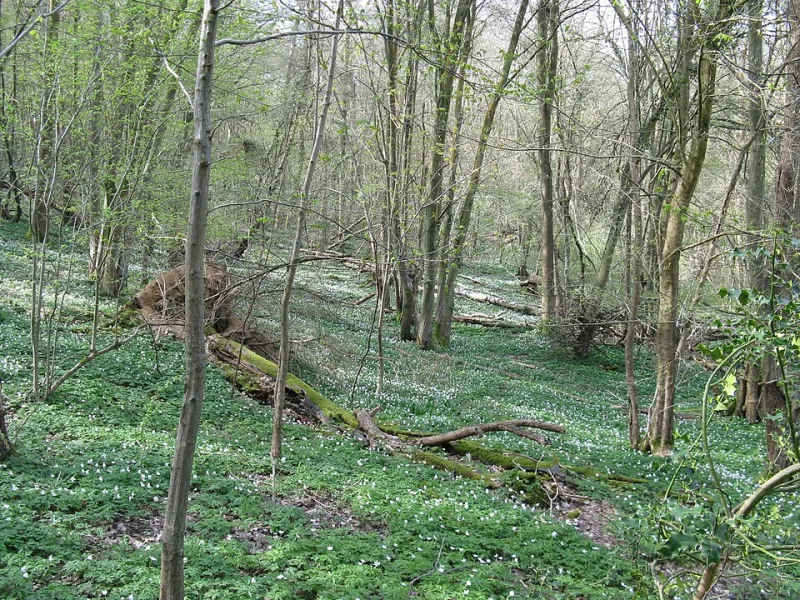
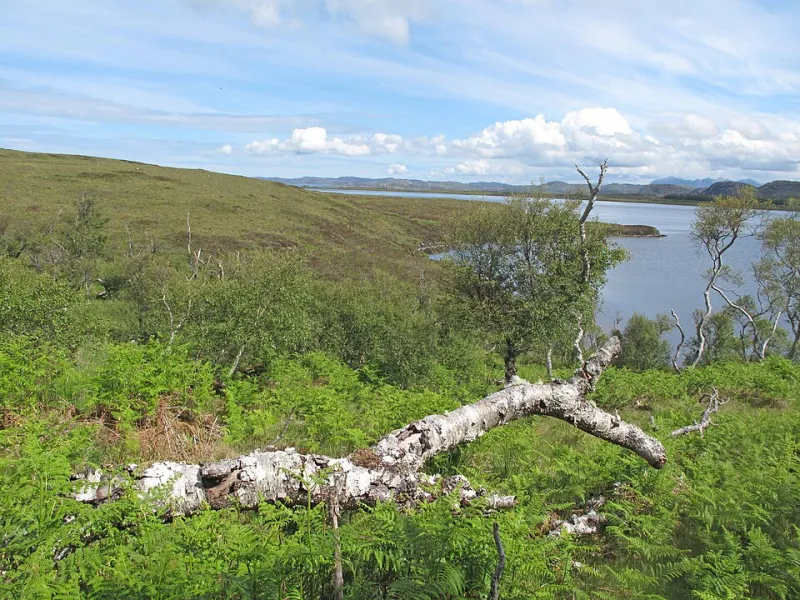
When the Wood Sets Its Harvest: Seed Cycles in Scotland's Native Woods
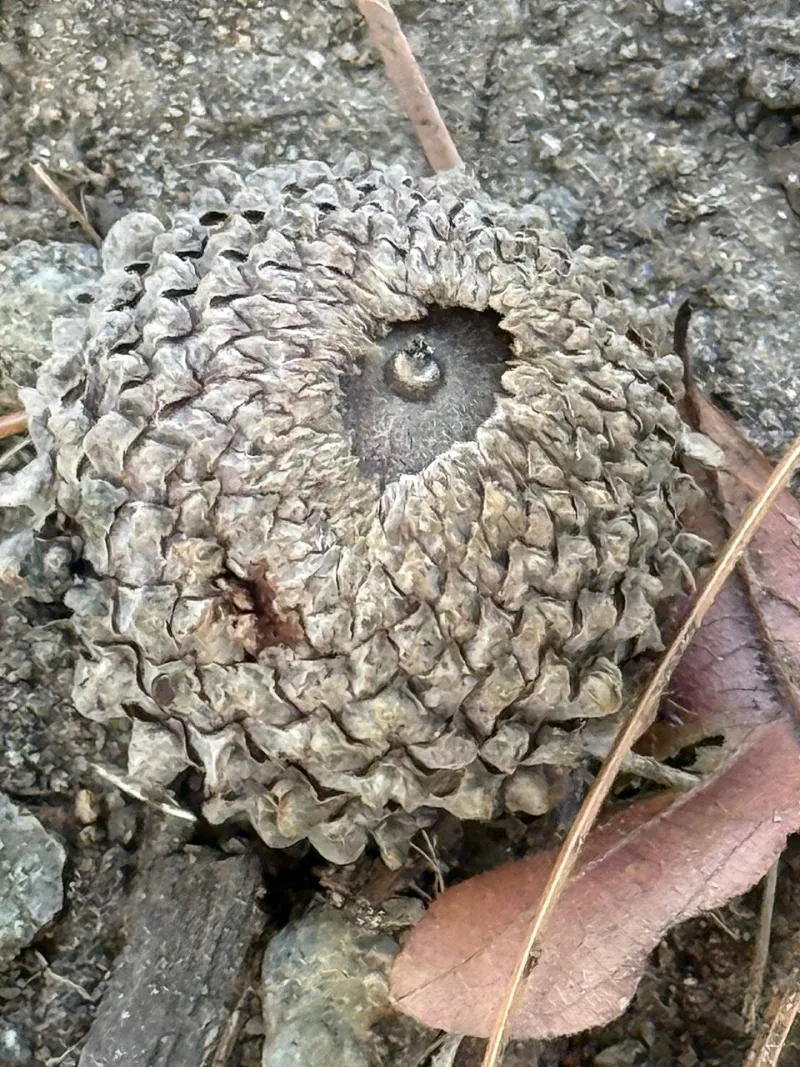
Photo: Cossey25, CC BY-SA 4.0, via Wikimedia Commons
A harvest that arrives in waves
Walk through a native wood in autumn and the ground tells a story of abundance or restraint. One year the leaf litter is thick with acorns; the next, the same oaks seem to have held back almost entirely. Hazel nuts may be plentiful in one glen and scarce in the next. Birch seed can fall in clouds, then barely register for several seasons. These are not failures of the wood but part of its rhythm. Botanists call it masting: the tendency of many long-lived plants to produce variable seed crops, with occasional heavy years set against longer stretches of scarcity.
The pattern matters because a wood is not only a collection of trees. It is a system of dependencies. A heavy seed year can feed jays, red squirrels, wood mice and bank voles through winter, and can give seedlings a rare chance to establish beyond the reach of browsing. A lean year can quieten that exchange. Understanding the cycle is therefore one way of reading how a wood is working, and how it may respond as the climate shifts.
What prompts a heavy seed year
Masting is not simply a response to a good summer. It is generally understood as a strategy shaped by weather, resource storage and evolutionary pressure. Trees build up reserves over one or more years, then coordinate a heavy crop when conditions allow. Warm, dry conditions at the right moment in the previous growing season can influence flower initiation; a late frost or poor pollination can then reduce the crop that follows. The details differ between species. Oak, hazel and birch do not share a single clock, even when they grow side by side.
There is also a practical advantage in synchrony. If trees in a region produce seed heavily in the same year, seed-eaters are swamped. Some seed survives because the animals cannot eat everything. In lean years, the opposite happens: seed is scarce, populations of seed-eaters may fall, and the trees conserve resources. The wood is not being generous or cruel. It is running a long-term calculation in which animals, weather and regeneration are all part of the same account.
For observers in Scotland, the variation is part of the pleasure. A stand of sessile oak in the west may behave differently from oakwoods in the east, and hazel in a sheltered glen may crop more reliably than birch on an exposed slope. Local weather, soil, altitude and the age of the trees all leave their mark.
Who depends on the crop
Jays are among the most conspicuous beneficiaries. They carry acorns away from parent trees and bury them as winter stores, and some of those caches are never recovered. In that small act of forgetting, new oaks can appear. Red squirrels also take seed, though their relationship with woodland regeneration is more complicated: they can consume hazel nuts and acorns, but they also disperse some seed and are themselves part of the wood's natural history. Wood mice and voles are less visible but equally important. They move seed through the litter, eat it, lose it and sometimes leave it in places where it can germinate.
A heavy crop can therefore ripple through the food web. Predators such as owls and stoats may benefit indirectly if rodent numbers rise. Deer and other browsing animals may also be drawn to seed-rich areas. Yet abundance is not automatically good news for the next generation of trees. A seedling that germinates under a heavy crop may still be browsed, shaded or dried out. Regeneration depends on the coincidence of seed, safe sites and low enough pressure from herbivores.
When the clock loses time
Climate change complicates the picture. Warmer winters and earlier springs can alter the timing of flowering and seed production. Late frosts remain a risk, and drought during seed development can reduce the crop. Some trees may respond to milder conditions by producing seed more often, but that does not necessarily mean more successful regeneration. If seed production becomes less synchronised across a region, the satiating effect of a mast year may weaken. Seed-eaters could take a larger share, while seedlings face the same pressures of browsing and competition.
There is also a risk of mismatch. Animals that time their breeding or winter caching to seed abundance may find the resource less predictable. A wood that once offered a reliable pulse of food every few years may become more erratic. That is not a reason for alarm in every stand, but it is a reason to watch. Long-term records are more useful than a single autumn's impression.
Recording the 2026 crop
This autumn, a simple field record can add to that picture. Choose a small number of trees or a marked transect and note the species, date, location and an estimate of seed abundance. For oak, count acorns on the ground within a defined area, or use a simple scale from none to abundant. For hazel, look for nuts in the canopy and on the ground, and note whether they have been opened by squirrels or mice. For birch, record catkins and shed seed where you can do so safely. Photographs from the same spot each year are especially useful.
Keep the method modest and repeatable. A woodland group, a school or a single walker can build a useful local series over time. Record the weather before and during the visit, and note any signs of browsing or disturbance. Do not collect more than you need, and avoid disturbing wildlife. The aim is observation, not harvest.
Reading the wood over years
The acorn clock is not a mechanical device. It is a rough, regional rhythm, shaped by weather and inheritance and read through the animals that depend on it. A heavy year is an opportunity to see the wood's connections clearly; a lean year is part of the same story. In Scotland's native woods, the useful question is not simply whether this autumn is abundant, but whether the pattern still leaves room for the next generation of trees. Recording what we see in 2026 is a small way of keeping that question open.