Field Notes from a Living Wood: Seven Clues to Woodland Health
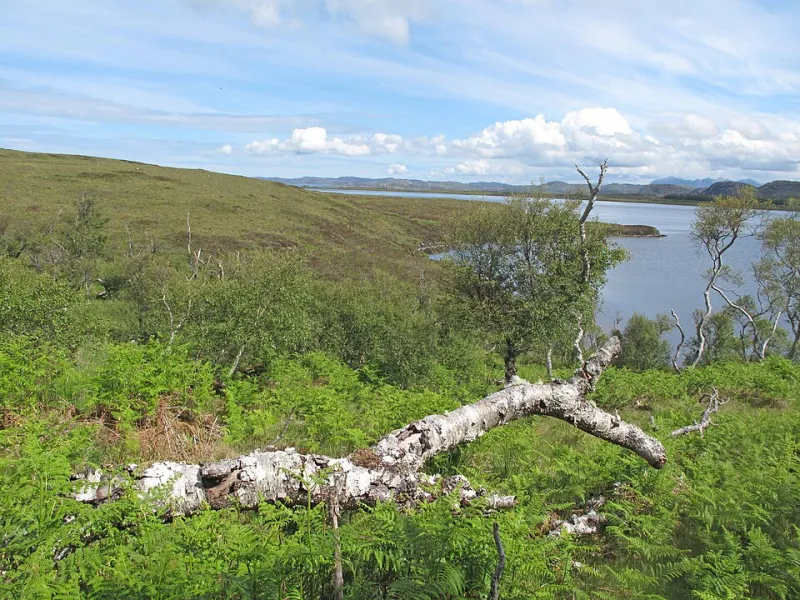
Photo: david glass , CC BY-SA 2.0, via Wikimedia Commons
Counting trees is a start, but it is a poor measure of a woodland's health. A wood can have many stems and still be thin in ecological terms: even-aged, heavily grazed, short of deadwood, poor in lichens. Conversely, a scruffy-looking Scottish birchwood or Atlantic oakwood may be richer than its appearance suggests. Ecologists read a wood through clues. Walkers and volunteers can learn the same habit.
1. Lichen communities that tell a story
Lichens are sensitive to air quality, humidity and bark chemistry. In western Scotland, the oceanic woodland lichens of damp ravines and old branches can be internationally important. Tree lungwort, Usnea species and a range of crustose lichens on trunks and twigs suggest clean air, stable humidity and continuity of habitat. Look for variety and cover, not just one attractive species. Interpret with caution: absence may reflect past pollution, shade, bark pH or simply a lack of nearby source populations. One twig is not a survey.
2. Standing deadwood and fallen logs
Deadwood is not waste. Standing snags, fallen trunks, stumps and branches support beetles, fungi, mosses, bats and woodpeckers. In Scottish native woods, deadwood can be scarce after centuries of tidying, fuel gathering and safety felling. A wood with a range of deadwood sizes and decay stages is usually richer in life. Interpret with caution: deadwood is dynamic, and a tidy wood may still hold hidden deadwood in wet hollows. Safety matters near paths and buildings, but not every dead branch is a hazard.
3. Natural regeneration
Seedlings and saplings of native trees are a sign that the wood can renew itself. Look for birch, rowan, oak, pine or hazel seedlings in gaps and beside seed trees. A healthy wood has patches of young trees, not just a uniform canopy. Interpret with caution: heavy deer browsing can suppress regeneration, so a lack of seedlings may reflect herbivore pressure rather than poor seed. Some woods also regenerate in pulses after mast years or storms.
4. Moss carpets and humid microclimates
Mosses and liverworts can indicate stable, damp conditions and low disturbance. In Scotland's temperate rainforest, a deep moss carpet with associated liverworts and lichens suggests a long, humid history. Interpret with caution: moss can be lush in shaded plantations too. Read the community, not just the green carpet, and note whether the mosses are accompanied by other humidity-loving species.
5. Hollow and veteran trees
Hollowing is not always a sign of decline. Veteran trees with cavities, rot pockets and dead limbs provide homes for bats, owls, insects and fungi. These features are part of a long woodland story. Interpret with caution: not every hollow tree is ancient, and some hollow quickly after damage. Still, veteran features are worth recording and protecting.
6. Fungal fruiting bodies
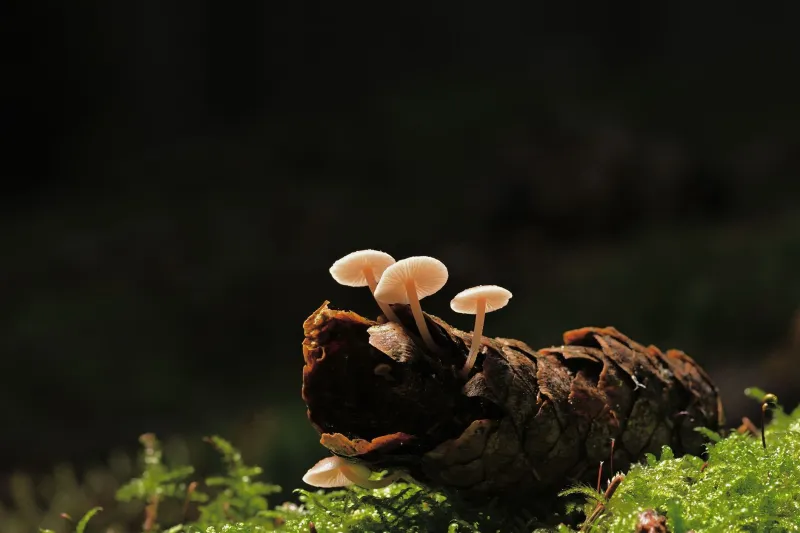
Mushrooms and brackets reveal only part of the fungal world. Mycorrhizal fungi partner with tree roots, while saprotrophic fungi break down deadwood and litter. A woodland with a variety of fruiting bodies across seasons is likely to have a rich fungal community. Interpret with caution: fruiting is weather-dependent. A dry autumn may show few mushrooms, and absence is not evidence of absence. Never pick or disturb unknown fungi; photograph and record them instead.
7. Uneven age structure
A wood with several age classes, from seedlings to old trees, suggests ongoing processes: canopy gaps, regeneration, death and decay. Uneven structure often goes with deadwood and varied light levels. Interpret with caution: some native woods are naturally even-aged after disturbance, and age structure should be read alongside site history and grazing pressure.
Reading the whole wood
No single clue is decisive. A wood may lack lichens because of pollution history, or lack seedlings because of deer. The skill lies in combining signs, visiting across seasons and seeking local knowledge. Conservation is not just a tree count; it is about processes that keep a wood alive. For volunteers, that means supporting deadwood retention, sensitive deer management and careful access. For walkers, it means observing closely and leaving things in place. A healthy Scottish woodland is not a museum. It is a working, changing community.