The Long Invoice: The Real Arithmetic of a Scottish Native Wood
A native wood begins with a number. Hectares, stems per hectare, grant rates, sapling prices. In 2026, as woodland creation targets remain high on the Scottish policy agenda, those numbers matter. But the number that decides whether a wood becomes a wood is rarely the one on the planting contract. It is the one that keeps arriving for the next decade.
The invoice that arrives first
The visible costs of creating native woodland are relatively easy to list. There is site survey and planning, ground preparation, stock, planting labour, and usually some form of protection—fencing, individual guards, or both. To that add access tracks, drainage work where needed, and the administrative effort of an application to Scottish Forestry's Forestry Grant Scheme.
Stock prices vary widely. Bare-root native broadleaves are commonly priced in the low single figures per tree, while larger cell-grown stock can cost considerably more. But the sapling is only one line in the ledger. Stakes and guards can add a substantial sum per tree, and fencing—where deer pressure demands it—can run to thousands of pounds per hectare. On exposed or difficult sites, ground preparation and planting labour rise accordingly.
A grant is a contribution, not a contract to deliver a wood. The Forestry Grant Scheme supports native woodland creation, but it does not usually meet the full cost. The applicant carries the balance, the risk, and the obligation to make the wood work. That gap between grant and true cost is where many projects are quietly decided.
The years between planting and canopy
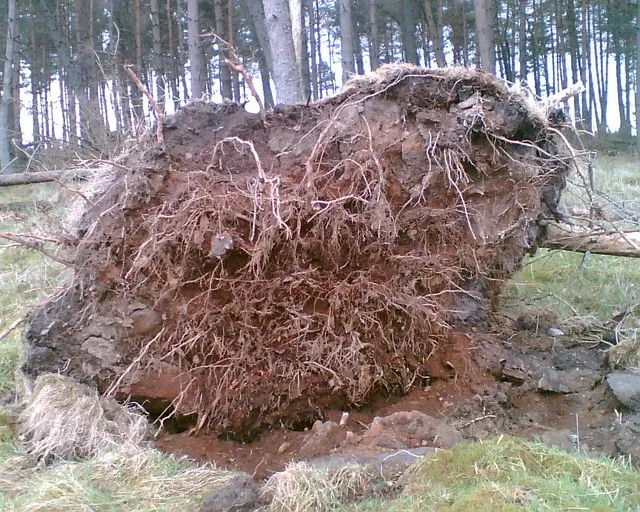
The most under-budgeted phase of woodland creation is the period after the trees are in the ground. In the first three to five years, native saplings are vulnerable. Weeds compete for light and water. Voles and rabbits can nip out newly planted stock. Deer browsing can suppress or kill. Drought in a dry spring, frost in an exposed hollow, or a late gale can undo a season's work.
Aftercare is not optional. It includes weed control around the base of young trees, replacement of failures—often called beating up—and monitoring. On sites with high deer pressure, fencing maintenance or targeted deer management becomes a recurring cost. Grey squirrel control may be necessary where broadleaved woodland is being established in areas with high squirrel densities. None of this is glamorous. All of it is part of the price.
There is also the unpaid years of attention. A newly planted wood needs someone to walk it, notice the failing patch, order the replacement stock, and arrange the contractor. That time is rarely costed in a grant application, and it is frequently underestimated by first-time woodland creators.
Cheap trees, expensive woods
The temptation to cut costs is understandable. Smaller stock, fewer guards, no fence, minimal aftercare—each choice reduces the upfront invoice. But woodland establishment is an exercise in compound risk. A saving of a few hundred pounds per hectare at planting can lead to a failure rate that requires replanting at greater expense, or a wood that never achieves canopy closure.
The cheapest planting is rarely the cheapest woodland. A poorly established wood may need repeated beating up, extended weed control, or even complete replanting. It may also deliver fewer of the benefits—shelter, biodiversity, carbon—that justified the grant in the first place. The economics of native woodland are not linear. They are cumulative, and they reward patience and adequate early investment.
Counting what patience pays
Native woodland creation is often justified by public benefits: carbon sequestration, biodiversity recovery, flood mitigation, shelter for livestock, recreation and wellbeing. These values are real, but they are not usually paid for at the farm gate or the estate office. The woodland owner bears the cost of establishment while the benefits accrue slowly and widely.
That mismatch is the central economic challenge. A grant may cover a portion of the planting, but it does not pay for the decades of management that follow. Nor does it compensate for the opportunity cost of land that could have been used for agriculture or commercial forestry. The true cost of a native wood therefore includes what the land might otherwise have earned—a figure rarely written into a planting plan.
Patience has a value, but it also has a price. A native wood may take fifty to a hundred years to reach maturity. The person who plants it may not see the canopy close. The economics only work if the public benefits are valued, if the grant system recognises aftercare, and if the owner is prepared to treat the wood as a long-term commitment rather than a one-off project.
A more honest arithmetic
None of this argues against planting native woodland. It argues for counting honestly. A credible woodland budget includes stock, protection, planting, aftercare, monitoring, contingency and the cost of failure. It includes the time of the person who will walk the wood in year three and year seven. It includes the risk of deer, squirrels, drought and wind.
In 2026, Scotland's woodland creation targets are ambitious, and they should be. But targets measured in hectares planted can obscure the more important measure: hectares established. A wood that is planted and then abandoned is not a wood. It is a receipt.
The true cost of a native wood is not the price of the trees. It is the cost of seeing them through. That is a harder number to sell, and a harder number to fund. But it is the number that decides whether the next generation inherits a wood or a lesson in false economy.